

I love reading both fiction and non-fiction books, and ideally, I’d be diving into one of each at the same time, well not the exact same time, but you get the idea. I’ve got one of each on the go all the time.
I’m a big fan of fiction through audiobooks. It’s like having a movie in my ears, and I wouldn’t trade that experience for anything. This post is all about my approach to reading non-fiction books, since it’s a bit more involved than fiction. Mostly, I’m trying to get more than just entertainment out of them.
You might have noticed I’m using the word “consume” a bit loosely, like I’m eating books, but I don’t want to offend any of the purists out there who might call me out for claiming to have read an audiobook. And while audiobooks are listened to and books are read, both are consumed in our minds.
When I first learned to read as a kid, it was super easy. Books were just books, and you could buy or borrow them from the library. I know audiobooks existed back in the ‘80s, but they were pretty rare and expensive.
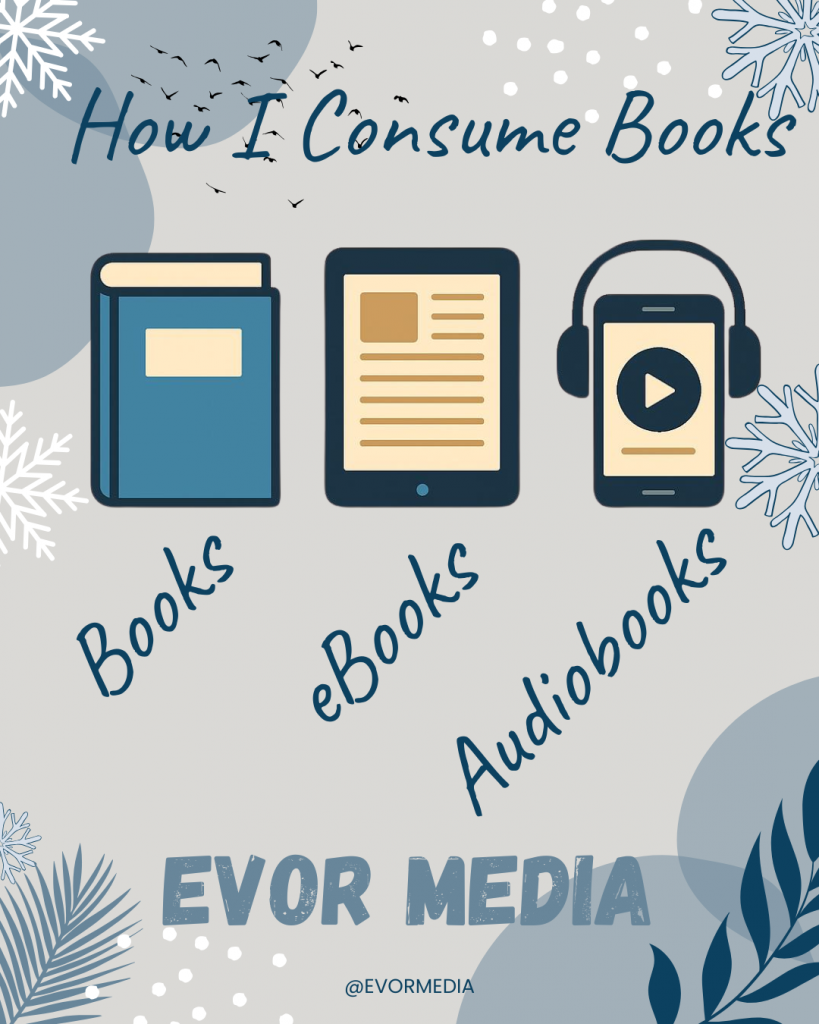
Now, books come in all sorts of formats, like physical books, e-books and audiobooks. Those would be the mainstream book formats I’m talking about. I should mention that there are also several formats for people with special needs that I won’t cover in this post, mostly because I haven’t had much exposure to them.
When I pick a book to read, I always start with the audiobook. There was a time when an audiobook might not be an option, but now I’m always surprised when a book doesn’t have an audiobook version. I start with the audiobook because it gives me a, low effort, overview of the book. It helps me decide if it’s worth investing more time into reading and if it goes deep enough on a specific topic.
The audiobook overview is super helpful, especially since I don’t usually read the whole book. In non-fiction, the author often spends a lot of time explaining and promoting their theory. If I’m already familiar with and have bought into the author’s theory, I’ll often skip those sections. The audiobook’s magic is that it lets me know where to skip ahead.
I’ve noticed that non-fiction books can be quite large and heavy, making them a hassle to carry around. This often leads me to leave the book at home, which reduces my chances of reading them. That’s where e-readers come in. They’re so convenient that I can carry many of those bulky books in my pocket. Plus, they offer great lighting in dim conditions and last weeks on a single charge. Another great thing about e-readers is that they’re pretty distraction-free, which is perfect for reading.
So, if a non-fiction book has been great in the audiobook, and I’ve enjoyed the e-book, you might think I’m done with it. But you’d be wrong! I almost always buy the physical paper book. It might seem a bit strange, but audiobooks and e-books aren’t really great for looking up information. If a non-fiction book has really added value, I like to have it on my shelf with pages marked and highlighted for easy reference.
I know this sounds a bit much, but you’re right—I buy the book three times! Plus, it really helps me support the author, which might encourage them to write more books.
Leave a Reply