
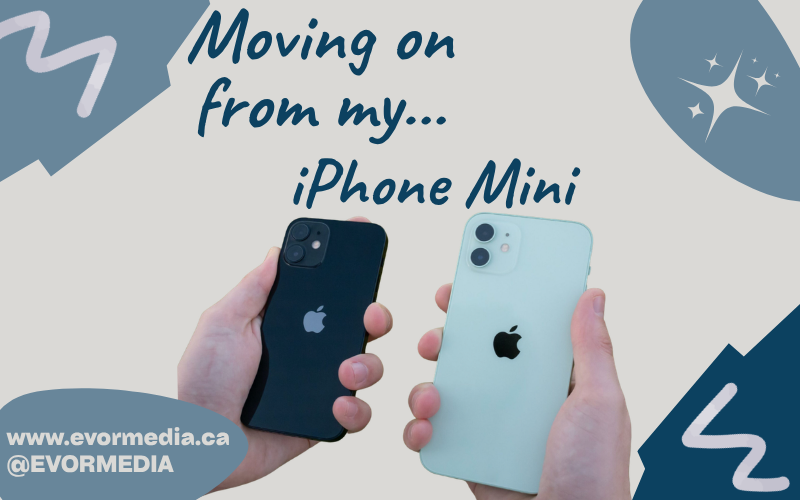
There was a time when I thought the iPhone Mini was the perfect phone.
Small. Lightweight. Effortlessly pocketable.
In a world where smartphones kept getting bigger, the iPhone Mini felt like a rebellion something designed for people who didn’t want a tablet in their pocket. And for a while, I bought into that idea completely.
But recently, something changed.
The Moment of Realization
I had to type something on my wife’s iPhone 16 (regular size) just a quick message, nothing major. But within seconds, I noticed something I hadn’t fully admitted to myself before:
The experience was… better. In every way.
The keyboard felt natural. My typing was faster and more accurate. The screen gave everything room to breathe. It didn’t feel cramped or compromised.
And then I went back to my iPhone Mini.
That’s when it hit me.
The iPhone Mini Problem No One Talks About
The truth is, the iPhone Mini user experience isn’t great.
It’s not terrible but it’s constantly compromised.
- Typing feels cramped
- Reading feels tight
- Apps feel slightly constrained
- Everything requires just a bit more effort
You adapt to it over time. You convince yourself it’s fine. But the moment you step back into a larger phone, the difference is obvious.
The iPhone Mini doesn’t feel efficient—it feels like a trade-off.
The One Thing It Gets Right: Pocketability
Let’s give it credit where it deserves it.
The iPhone Mini size is unmatched when it comes to portability.
It disappears into your pocket.
You barely notice it’s there.
It’s probably the most pocketable phone Apple has ever made.
But here’s the realization I couldn’t ignore:
Pocketability alone isn’t enough.
In fact, it might be the wrong thing to optimize for.
Why “Pocketable” Isn’t a Winning Strategy
When a technology company builds a product, it should aim to improve the experience of actually using it—not just carrying it.
The iPhone Mini excels when it’s in your pocket.
But the moment you take it out—when it actually matters—it falls short.
That’s a problem.
And maybe that’s exactly why Apple quietly moved on from the Mini lineup.
The iPhone Mini discontinued decision makes a lot more sense to me now. It wasn’t just about sales numbers—it was about priorities.
Bigger Phones Aren’t Just Bigger—They’re Better
I used to think larger phones were excessive.
Now I think they’re practical.
A standard size iPhone vs iPhone Mini isn’t just a difference in dimensions—it’s a difference in usability.
- More comfortable typing
- Better media consumption
- Easier navigation
- Less friction overall
These aren’t luxury improvements—they’re everyday improvements.
The Trade-Off I’m No Longer Willing to Make
For a long time, I told myself the smaller size was worth it.
That the inconvenience was minimal.
That I preferred simplicity.
But the reality is, I was optimizing for the wrong thing.
A phone isn’t something you just carry—it’s something you use constantly.
And I’d rather have a device that’s better 100 times a day in my hands than one that’s slightly better when it’s sitting in my pocket.
Why I’m Moving On
So I’m moving on from the iPhone Mini.
Not because it’s a bad product—but because it’s a compromised one.
It’s a device built around a single standout feature that doesn’t actually improve the core experience.
And once you notice that, it’s hard to unsee.
Final Thoughts
The iPhone Mini is a great idea.
But in practice, it’s a reminder that smaller isn’t always better—especially in technology.
Sometimes, the things we think we want (like a smaller phone) aren’t the things that actually make our daily lives easier.
And sometimes, it takes typing one message on a bigger screen to realize it.